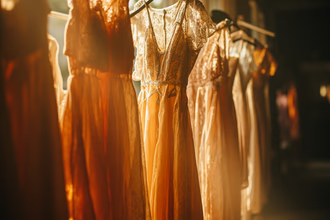
Vintage Clothing
Vintage clothing offers a unique way to express personal style while embracing sustainability. These garments, typically at least 20 years old, carry a sense of history and craftsmanship not often found in modern, mass-produced items. Discovering vintage pieces allows individuals to curate a wardrobe that reflects their individuality and appreciation for timeless fashion.
At Home & Harvest, one can explore a curated collection of vintage clothing that embodies the brand's commitment to quality and connection. Each piece tells a story, offering an opportunity to own something truly special and contribute to a more sustainable approach to fashion. Embrace the charm and elegance of vintage and find pieces that resonate with one's personal narrative.
Key Takeaways
- Vintage clothing offers a sustainable alternative to fast fashion, reducing waste and environmental impact.
- Vintage pieces provide unique style and individuality, allowing for personal expression beyond mainstream trends.
- Vintage garments often feature superior quality and craftsmanship compared to modern mass-produced clothing.
- Proper care, including gentle cleaning and storage, is essential for preserving vintage clothing.
- Home & Harvest offers a curated vintage collection emphasizing quality, sustainability, and timeless style.
- Accurate measurements and alterations are important for achieving a good fit with vintage clothing.
- Mixing vintage with modern pieces allows for versatile styling and personalized looks.
Table of Contents
Introduction to Vintage Clothing at Home & Harvest

Home & Harvest is a lifestyle brand that celebrates the beauty of simplicity. Rooted in values of fresh food, locally sourced products, and unforgettable experiences, their mission is to inspire a return to connection, community, and quality. Part of that mission includes offering a curated collection of vintage clothing.
Vintage clothing refers to garments from a previous era, typically at least 20 years old. These pieces offer unique styles, high-quality craftsmanship, and a sense of history that is often missing from modern fashion. Vintage clothing is appealing because it allows individuals to express their personal style in a sustainable and distinctive way.
This article will guide readers in discovering unique vintage pieces at Home & Harvest, embracing sustainable fashion, and finding timeless items that tell a story. Shop the collection today!
The Allure of Vintage: Why Choose Pre-Loved Clothing?
Vintage clothing has seen a surge in popularity in recent years. There are many reasons why people are choosing pre-loved clothing over new items.
One of the most significant benefits is the positive environmental impact. By choosing vintage, consumers are participating in sustainable fashion, reducing waste and decreasing the demand for new clothing production, which can be resource-intensive.
Vintage pieces offer a unique style and individuality. It allows people to express themselves in ways that modern, mass-produced clothing often cannot. The quality and craftsmanship found in vintage garments often surpass that of modern fast fashion. Many vintage items were made with attention to detail and with durable materials, making sure they last for years to come.
Some vintage items even have investment potential. Rare or designer pieces can increase in value over time, making them both a stylish and potentially profitable purchase.
Home & Harvest is committed to offering high-quality, curated vintage pieces, allowing customers to enjoy all the benefits of vintage clothing.
Sustainability and Eco-Friendly Fashion
The fashion industry has a significant environmental impact. From the production of raw materials to the manufacturing and transportation of garments, the industry contributes to pollution, resource depletion, and waste generation. Choosing vintage clothing offers a way to mitigate these negative effects.
Buying pre-loved clothing reduces waste by keeping garments out of landfills. It conserves resources by decreasing the demand for new materials and energy-intensive production processes. Minimizing pollution is another benefit, as it lowers the need for dyeing and finishing processes that often release harmful chemicals into the environment.
Textile production is a major consumer of water, using around 79 billion cubic meters per year. Buying vintage reduces the demand for water-intensive processes like cotton farming and fabric dyeing. Extending the life of clothing by just nine months can reduce its carbon, water, and waste footprints by 20-30%.
Home & Harvest's commitment to sustainability supports the principles of eco-friendly fashion, offering customers a way to shop consciously and reduce their environmental footprint.
Unique Style and Individuality
Vintage clothing provides a way for individuals to express their unique style and stand out from mainstream fashion trends. In a world where many people follow similar styles, vintage pieces offer a chance to showcase individuality.
The rarity and one-of-a-kind nature of vintage garments is part of what makes them special. Finding a unique vintage item means that very few other people will have the same piece, making sure a distinctive look.
Vintage clothing can be incorporated into different personal styles. A vintage dress can be paired with modern accessories for a contemporary look, or a vintage jacket can add character to a casual outfit. The possibilities are endless.
Home & Harvest's curated collection offers a diverse range of styles for different tastes, making it easier for customers to find vintage pieces that match their personal aesthetic.
Quality, Craftsmanship, and Investment
Vintage garments often stand in stark contrast to modern fast fashion in terms of quality and craftsmanship. Many vintage pieces were made with superior materials, more durable construction techniques, and greater attention to detail.
Vintage clothing frequently features higher-quality fabrics that can withstand wear and tear. Seams are often reinforced, and details are carefully executed, resulting in garments that last longer than many contemporary items.
Certain vintage items, such as designer pieces or rare finds, also have investment potential. These items can increase in value over time, making them a worthwhile purchase for collectors and fashion enthusiasts alike.
Home & Harvest focuses on sourcing high-quality vintage items that are built to last, offering customers pieces that combine style, durability, and potential investment value.
Curating Your Vintage Wardrobe: Tips and Tricks

Building a vintage wardrobe can be a rewarding experience. Here's some practical advice on how to curate a collection of timeless pieces:
Identifying High-Quality Vintage Pieces: When selecting vintage items, check the fabric quality, construction, and detailing. Look for durable fabrics like wool, silk, and cotton. Examine the seams, closures, and embellishments to ensure they are well-made and in good condition.
Assessing Fit and Making Alterations: Vintage sizing can differ from modern sizing, so it's important to try on garments whenever possible. If the fit isn't perfect, consider having alterations done to customize the piece to your body. A skilled tailor can work wonders in adapting vintage clothing to a contemporary fit.
Incorporating Vintage Pieces into a Modern Wardrobe: Vintage clothing can be integrated into a modern wardrobe in many ways. Try pairing a vintage top with contemporary jeans, or layering a vintage coat over a modern dress. Mixing and matching vintage and modern pieces allows you to create a unique and personalized style.
Popular Styles and Eras: Several styles and eras of vintage clothing are currently popular, including 1950s dresses, 1970s bohemian tops, and 1990s grunge pieces. Experiment with different eras to find what resonates with your personal style.
Home & Harvest's collection is carefully curated to offer a range of styles and sizes, making it easier for customers to find vintage pieces that fit well and complement their existing wardrobe.
Identifying Quality Vintage Pieces
Assessing the quality of vintage clothing requires a keen eye and attention to detail. Here's how to identify well-made vintage pieces:
Checking Fabric Quality: Look for durable, natural fabrics like wool, silk, cotton, and linen. Examine the fabric for signs of wear, such as thinning, fading, or staining. Well-preserved fabrics indicate a higher-quality garment that has been properly cared for.
Examining Construction Details: Inspect the stitching, seams, and closures. Look for straight, even stitching and reinforced seams. Check that buttons, zippers, and other closures are in good working order. High-quality construction is a sign of a well-made garment that will stand the test of time.
Identifying Authentic Vintage Details: Familiarize yourself with the design details and construction techniques that were common in different eras. Look for unique features, such as hand-stitched embellishments, original labels, and period-specific silhouettes. Be cautious of reproductions, which often lack the quality and authenticity of genuine vintage pieces.
Home & Harvest carefully inspects each vintage item for quality before adding it to their collection, making sure that customers receive pieces that meet high standards of craftsmanship and authenticity.
Fit and Alterations: Making Vintage Work for You
Achieving a good fit is crucial when buying vintage clothing. Here's how to ensure that vintage pieces complement your body and style:
Taking Accurate Measurements: Use a flexible measuring tape to take accurate measurements of your bust, waist, hips, and shoulders. Compare your measurements to vintage sizing charts, keeping in mind that vintage sizes often differ from modern sizes.
Assessing the Fit of Different Garment Styles: Consider the intended fit of different garment styles. Some vintage pieces were designed to be fitted, while others were meant to be loose and flowing. Assess how the garment drapes and moves on your body to determine if it suits your shape and style.
The Importance of Alterations: Alterations can make a significant difference in the fit and style of vintage clothing. Find a skilled tailor who is experienced in working with vintage fabrics and construction techniques. Simple alterations, such as adjusting the hemline, taking in the waist, or shortening the sleeves, can greatly improve the overall look and feel of a vintage piece.
Home & Harvest offers a range of sizes and styles to accommodate different body types, making it easier for customers to find vintage pieces that fit well and flatter their figures. A tailor can always make further adjustments.
Styling Vintage in the Modern Day
Incorporating vintage clothing into a modern wardrobe can be both fun and stylish. Here are some creative ideas on how to mix and match vintage pieces with contemporary items:
Mixing and Matching: Combine vintage tops with modern jeans, or pair a vintage skirt with a contemporary blouse. Layering vintage coats or jackets over modern dresses or pantsuits can add character and flair to any outfit.
Styling Tips for Different Occasions: For casual everyday looks, try wearing a vintage t-shirt with jeans and sneakers. For special events, consider pairing a vintage dress with modern heels and accessories. A vintage blazer can add sophistication to a business casual outfit.
Example Outfits: A 1950s dress paired with modern sandals and a denim jacket creates a relaxed yet stylish look. A 1970s bohemian top worn with high-waisted jeans and boots offers a free-spirited vibe. A 1990s slip dress layered over a t-shirt and paired with sneakers exudes effortless cool.
Experiment with different styles, eras, and combinations to discover your own unique look. Don't be afraid to push boundaries and express your personality through your clothing choices.
Home & Harvest's collection offers versatile pieces that can be easily styled in various ways, allowing customers to create a range of outfits that reflect their individual style and preferences.
Caring for Your Vintage Treasures
Proper care is key for preserving the beauty and longevity of vintage clothing. Here are some best practices for caring for your vintage treasures:
Washing, Drying, and Storing: Hand-washing is often the gentlest method for cleaning delicate vintage items. Use a mild detergent and cool water. Avoid harsh scrubbing or wringing. Lay the garment flat to dry, away from direct sunlight. Store vintage clothing in a cool, dry place, away from moisture and pests. Use padded hangers to prevent stretching or damage.
Gentle Cleaning Methods: Avoid harsh chemicals, bleach, and strong detergents, as they can damage delicate fabrics and embellishments. Opt for gentle, pH-neutral cleaning products that are specifically designed for delicate fabrics.
Professional Cleaning Services: For particularly fragile or valuable pieces, consider using professional cleaning services that specialize in vintage clothing. These experts have the knowledge and experience to clean and restore delicate items without causing damage.
Home & Harvest provides care instructions for their vintage items to help customers preserve their purchases and enjoy them for years to come.
Washing and Drying Delicate Vintage Items
Washing and drying delicate vintage items requires extra care to prevent damage. Here are specific instructions to follow:
Hand Washing vs. Gentle Cycle: Hand washing is the safest method for most delicate vintage garments. Fill a clean basin with cool water and add a small amount of mild detergent specifically designed for delicate fabrics. Gently swish the garment in the water, avoiding harsh scrubbing. If using a washing machine, select the gentle cycle and place the item in a mesh laundry bag for added protection.
Mild Detergents: Use a pH-neutral detergent that is free of harsh chemicals, bleach, and dyes. These detergents are less likely to damage delicate fabrics and embellishments.
Proper Drying Techniques: Avoid high heat and direct sunlight, as they can cause fading, shrinking, and damage to delicate fibers. Air-drying is the preferred method for most vintage items. Lay the garment flat on a clean towel or hang it on a padded hanger in a shaded area. If using a dryer, select a low-heat setting and check the item frequently to prevent over-drying.
Always read the care labels and follow the manufacturer's instructions, if available. When in doubt, err on the side of caution and consult a professional cleaner.
Storing Your Vintage Collection
Proper storage is key to preventing damage and deterioration of your vintage clothing. Here are some practical tips to follow:
Acid-Free Hangers and Garment Bags: Use acid-free padded hangers to support the shape of garments and prevent stretching or creasing. Store delicate items in breathable garment bags made of cotton or muslin to protect them from dust, light, and pests. Avoid plastic garment bags, as they can trap moisture and contribute to fabric deterioration.
Cool, Dry, and Dark Place: Store vintage clothing in a cool, dry, and dark place, away from direct sunlight, heat, and humidity. These conditions can cause fading, discoloration, and damage to delicate fibers. Basements, attics, and garages are generally not suitable for storing vintage clothing due to temperature and humidity fluctuations.
Protecting from Moths and Other Pests: Moths and other pests can cause significant damage to natural fibers like wool, silk, and cotton. Use cedar chips or lavender sachets to repel insects and protect your vintage collection. Regularly inspect your stored items for signs of pest damage, such as holes or webbing.
Proper storage helps preserve the longevity of your vintage items, making sure that they remain in good condition for years to come.
When to Seek Professional Cleaning
While many vintage items can be cleaned at home, certain situations warrant professional cleaning services. Here's when to seek expert help:
Types of Stains and Damage: Deep or stubborn stains, such as ink, grease, or blood, often require professional treatment. Delicate fabrics, intricate embellishments, and fragile construction may also necessitate professional cleaning to avoid damage.
Finding a Reputable Dry Cleaner: Look for a dry cleaner with experience in handling vintage garments. Ask about their cleaning methods, stain removal techniques, and fabric restoration services. A reputable cleaner will be knowledgeable about vintage fabrics and will take extra care to protect delicate items.
Benefits of Professional Cleaning: Professional cleaning offers several benefits, including effective stain removal, fabric restoration, and preservation. Expert cleaners have access to specialized equipment and cleaning solutions that can safely and effectively clean vintage garments without causing damage.
Home & Harvest can recommend professional cleaning services for their vintage items, making sure that customers have access to trusted experts who can help preserve their purchases.
Shop the Home & Harvest Vintage Collection Today

Home & Harvest's vintage clothing collection offers a curated selection of high-quality, timeless pieces. With a commitment to sustainable fashion, each item is carefully chosen for its unique style, craftsmanship, and potential to tell a story.
Browse the online store or visit the physical location today to discover your next vintage treasure. New arrivals are added regularly, so there is always something new to discover.
Home & Harvest reinforces values of connection, community, and quality, offering items and spaces that encourage customers to pause, take a deep breath, and enjoy the little things.
Frequently Asked Questions
- What are the benefits of choosing vintage clothing over fast fashion?
- Choosing vintage clothing offers several benefits compared to fast fashion. Firstly, vintage items are usually made with higher-quality materials and craftsmanship, ensuring durability and longevity. Secondly, purchasing vintage promotes sustainability by reducing waste and minimizing the environmental impact of clothing production. Vintage pieces also allow for unique personal expression, as they often come with distinct styles that are not found in contemporary collections. Finally, buying vintage supports small businesses and local economies, helping to keep the fashion industry diverse and vibrant.
- How can I determine the quality and authenticity of vintage clothing?
- To determine the quality and authenticity of vintage clothing, start by examining the fabric and stitching. High-quality vintage items are often made from natural fibers like wool, silk, or cotton and feature sturdy, even stitching. Check for labels that indicate the brand, material, and care instructions; authentic vintage pieces usually have labels that reflect the time period they were made in. Additionally, look for signs of wear or repairs that may indicate a piece's history. Researching the designer or brand can also provide insight into the item's value and authenticity.
- What should I consider when shopping for vintage clothing online?
- When shopping for vintage clothing online, consider the following factors: size, as vintage sizing can differ significantly from modern sizes, so always refer to the provided measurements. Review the condition of the item carefully, paying attention to any flaws or signs of wear that are disclosed in the description. Check the return policy, as vintage items may have different return rules compared to new clothing. Lastly, look for reputable sellers with positive reviews to ensure a trustworthy shopping experience.
- How can I care for and maintain my vintage clothing?
- Caring for vintage clothing requires special attention to preserve its quality. Always read the care label, if available, and when in doubt, opt for gentle hand washing or dry cleaning to avoid damaging delicate fabrics. Store vintage items in a cool, dry place away from direct sunlight to prevent fading and deterioration. Use padded hangers for garments and acid-free tissue paper to store folded items. Regularly inspect your vintage clothing for any signs of wear or damage, and address them promptly to maintain their condition.
- Are there specific trends or styles in vintage clothing that are currently popular?
- Yes, several vintage trends and styles are currently popular. Items from the 70s and 90s, such as oversized blazers, high-waisted jeans, and graphic tees, are particularly in demand. Additionally, vintage dresses with floral prints and bold colors are favored for their timeless appeal. Accessories like vintage handbags and statement jewelry from past decades also remain trendy. Keeping an eye on fashion influencers and social media platforms can provide inspiration and insight into what vintage styles are gaining popularity.
