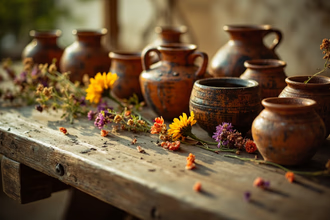
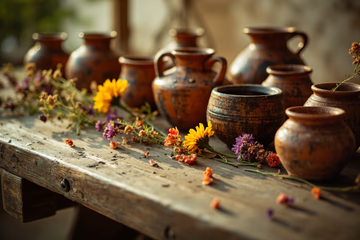
Rustic home decor brings the charm and simplicity of the countryside into any living space. It's a style that celebrates natural materials, handcrafted items, and a sense of connection to the past [2, 4]. With rustic decor, anyone can create a warm and inviting atmosphere that feels both comfortable and stylish [2, 3].
At Home & Harvest, the focus is on providing locally sourced, handcrafted items that embody the rustic aesthetic. These pieces encourage a slower, more intentional way of living, allowing people to pause and appreciate the simple pleasures of life. Explore the curated collection and discover how rustic home decor can transform any house into a welcoming home.
What Is Rustic Home Decor?
The Essence of Rustic Style
Rustic home decor is characterized by its use of natural, unrefined materials such as wood, stone, and metal [2, 4]. The style often incorporates vintage or antique items, creating a lived-in and comfortable feel [3]. Key elements include:
- Natural Materials: Wood, stone, and textiles are prominent [2].
- Handcrafted Items: Unique, artisanal pieces add character.
- Vintage Elements: Antiques and repurposed items bring history.
- Earthy Tones: Colors like browns, greens, and grays create warmth [4].
Key Elements of Rustic Design
Creating a rustic space involves more than just furniture; it's about crafting an environment. Consider these components:
- Distressed Finishes: Embrace imperfections and aged patinas [4].
- Textural Fabrics: Use materials like linen, burlap, and wool [2, 5].
- Simple Accessories: Opt for understated pieces that highlight the natural beauty of the space [1].
Creating a Rustic Home With Home & Harvest
Sourcing Locally
Home & Harvest prioritizes locally sourced items, making sure that each piece has a unique story and supports the community. This commitment to local artisans means that customers can find truly one-of-a-kind decor that adds character to their homes.
Handcrafted Excellence
The handcrafted nature of Home & Harvest's products guarantees quality and attention to detail. From hand-poured candles to hand-carved wooden bowls, each item reflects the skill and passion of the artisans who created it.
Incorporating Rustic Decor in Every Room
Rustic decor can be incorporated throughout the home, creating a cohesive and inviting atmosphere [2, 4]:
- Living Room: Add a reclaimed wood coffee table or a cozy throw blanket.
- Kitchen: Display stoneware pottery or use wooden cutting boards as decor [1].
- Bedroom: Incorporate a quilt with natural patterns or use rustic wooden furniture [5].
Why Choose Rustic Decor?
Timeless Appeal
Rustic decor's classic designs ensure it remains stylish for years to come [2]. The emphasis on natural materials and simple aesthetics creates a look that is both enduring and versatile.
Creating a Cozy Atmosphere
Rustic decor is great at creating warm, inviting spaces. The use of soft textures, earthy tones, and handcrafted items evokes a sense of comfort and relaxation [2].
Celebrating Simplicity
In a world of constant noise and complexity, rustic decor offers a refreshing return to simplicity. It encourages a focus on quality, connection, and the beauty of everyday moments, aligning perfectly with Home & Harvest's mission to inspire a slower, more intentional way of living.
Key Takeaways
- Rustic home decor emphasizes natural materials like wood and stone, handcrafted items, and a connection to the outdoors.
- Key elements of rustic design include using natural materials, incorporating texture and layering, and employing warm neutral and earthy color palettes.
- Rustic decor ideas can be applied to every room, such as wooden coffee tables and woven rugs in the living room, or open shelving and farmhouse sinks in the kitchen.
- Sourcing authentic rustic decor involves looking for unique imperfections in handcrafted items and inquiring about the origin and quality of materials.
- Supporting local artisans and businesses preserves traditional crafts, promotes sustainable practices, and guarantees quality and authenticity.
- Choosing sustainable and ethical rustic decor reduces environmental impact and supports fair labor practices.
- Rustic decor creates warm, inviting spaces that reflect simplicity, authenticity, and a connection to nature.
Table of Contents
Introduction to Rustic Home Decor

Rustic home decor is rising in popularity as people seek to create warm, inviting spaces that reflect simplicity and a connection to the outdoors. The term 'rustic,' when applied to home decor, often brings to mind natural materials like wood and stone, handcrafted items, and design elements that evoke a sense of nature [1].
Rustic decor highlights the beauty of raw, unrefined textures and celebrates the unique character of handcrafted pieces. It moves away from modern, mass-produced items, opting instead for items with a story and a sense of history [1].
Home & Harvest embraces this philosophy, with a mission to promote simplicity and connection through locally sourced, quality products. Their curated collections reflect the essence of rustic design, offering items that encourage a slower, more intentional way of living.
Ultimately, incorporating rustic home decor into a space can transform it into a cozy retreat, filled with warmth and personality. It's about creating an atmosphere where one can relax, reconnect with nature, and enjoy the simple pleasures of life.
Key Elements of Rustic Design
Rustic design embodies warmth, simplicity, and a connection to nature [2, 9]. Several core elements define this increasingly popular style [5].
Natural Materials
The foundation of rustic design lies in the use of natural materials [1, 3]. Wood, stone, and metal are staples, often showcased in their raw and unrefined states [2, 4].
- Wood: Reclaimed wood floors, exposed beams, and handcrafted furniture display the beauty of the wood's natural grain and imperfections [1].
- Stone: Stone fireplaces, walls, or countertops introduce texture and a connection to the outdoors [1, 3].
- Metal: Non-shiny metals like copper, brass, iron, or pewter can be incorporated through light fixtures, hardware, and decorative accents [4].
Texture and Layering
Texture and layering add depth and visual interest to rustic interiors [2, 7]. Combining different textures creates a tactile and inviting space [2, 10].
- Incorporate rough-hewn wood with soft, woven textiles [2].
- Layer natural fiber rugs, chunky knit blankets, and linen cushions to soften hard materials like stone or wood [3, 9].
- Use a mix of materials like wood, stone, metal, and leather to create contrast and character [5].
Color Palettes
Rustic color palettes typically consist of warm neutrals and earthy tones [1, 3, 9]. Shades of brown, beige, cream, and gray are common, often complemented by muted greens, soft blues, and warm terracotta [3, 15].
- Warm Neutrals: Beige, taupe, and shades of gray create a serene backdrop [15].
- Earthy Tones: Muted greens, soft blues, and terracotta add warmth and connect the space to nature [3, 15].
These colors work well with natural materials like wood and stone, enhancing the organic feel of the space [9].
Home & Harvest's curated collection of rustic home decor incorporates these elements, offering pieces crafted from natural materials with an emphasis on texture and earthy color palettes. These items work together to create a cohesive and inviting space, reflecting the beauty of simplicity and a connection to the natural world.
Natural Materials: Wood, Stone, and Metal
Natural materials are at the heart of rustic design, bringing the outdoors in and creating a sense of authenticity [1, 3]. Wood, stone, and metal are key elements, each contributing unique textures and characteristics to the overall aesthetic [2].
Wood
Wood is a dominant material in rustic interiors, providing warmth, character, and a connection to nature [1, 2]. Different types of wood offer varying aesthetics:
- Reclaimed Wood: With its weathered appearance and rich history, reclaimed wood adds a sense of age and character to floors, walls, and furniture [1].
- Pine: A softwood known for its light color and affordability, pine can be stained or left natural to showcase its grain [3].
- Oak: A hardwood prized for its durability and distinctive grain patterns, oak brings a sense of strength and elegance to rustic spaces [2].
Stone
Stone introduces texture, durability, and a grounding element to rustic design [1, 3]. It can be incorporated in various ways:
- Fireplaces: A stone fireplace creates a focal point in a living room or bedroom, adding warmth and visual interest [1].
- Accent Walls: Stone accent walls bring a touch of nature indoors, creating a dramatic and textured backdrop [3].
- Countertops: Stone countertops in kitchens or bathrooms offer durability and a natural, earthy aesthetic [1].
Metal
Metal accents add contrast and visual interest to rustic interiors [4]. Non-shiny metals with a slightly aged or weathered appearance work best:
- Wrought Iron: Wrought iron light fixtures, hardware, and decorative elements add a touch of elegance and craftsmanship [4].
- Copper: Copper accents, such as pots, pans, or light fixtures, bring warmth and a touch of sophistication [4].
These materials, when combined thoughtfully, create a warm, inviting, and authentic rustic space.
Texture and Layering: Adding Depth and Interest
Texture and layering are crucial for creating a visually appealing and inviting rustic space [2, 7]. By combining different textures, you can add depth, interest, and a tactile quality to a room [2, 10].
The interplay of rough and smooth, soft and hard, creates an engaging environment [2, 3]. Consider the following combinations:
- Pair rough-hewn wood furniture with soft, woven textiles like linen or cotton [2].
- Contrast a smooth stone fireplace with chunky knit blankets and plush pillows [3, 9].
- Combine different types of wood, such as reclaimed wood with a smoother, polished surface [1].
Layering is another technique that improves texture and creates a cozy atmosphere [3, 7]. Consider these layering tips:
- Rugs: Layer a natural fiber rug, such as jute or sisal, with a smaller, patterned rug for added warmth and visual interest [3, 9].
- Blankets: Drape chunky knit blankets or woven throws over sofas and chairs to invite relaxation [2, 7].
- Pillows: Mix and match pillows in different sizes, shapes, and textures, such as linen, wool, and faux fur [3, 9].
By thoughtfully incorporating texture and layering, one can transform a space into a warm, inviting, and visually rich rustic haven.
Color Palettes: Warm Neutrals and Earthy Tones
Rustic design commonly features color palettes inspired by nature, emphasizing warm neutrals and earthy tones [1, 3, 9]. These colors evoke a sense of tranquility, simplicity, and connection to the outdoors [3, 15].
Warm neutrals like beige, cream, taupe, and shades of gray create a serene and inviting backdrop [15]. These colors provide a versatile foundation that complements natural materials like wood and stone [1, 3].
Earthy tones, such as muted greens, soft blues, and warm terracotta, add depth and warmth to the palette [3, 15]. These colors reflect the hues found in nature, from forest greens to sky blues and sunbaked earth [3].
Effective color combinations for rustic interiors include:
- Beige and Brown: A classic combination that creates a warm and inviting atmosphere [15].
- Gray and Green: A sophisticated pairing that evokes a sense of calm and tranquility [3].
- Cream and Terracotta: A warm and earthy combination that adds a touch of rustic charm [3, 15].
While neutrals and earth tones dominate, pops of color can be incorporated to add visual interest without disrupting the cohesive rustic aesthetic [3, 9]. Consider using:
- Muted Reds or Oranges: For a touch of warmth and energy [3].
- Deep Blues or Greens: To mimic natural elements like water or foliage [3, 15].
These pops of color should be used sparingly and thoughtfully to complement the overall palette and maintain the rustic feel.
Rustic Decor Ideas for Every Room

Rustic decor can transform any room into a warm and inviting space, blending functionality with natural beauty. Here are some room-by-room ideas to incorporate rustic elements into your home.
Living Room
The living room is a gathering place, and rustic decor can make it even more welcoming:
- Wooden Coffee Table: A solid wood coffee table, especially one made from reclaimed wood, provides a focal point and adds character [1].
- Woven Rug: A natural fiber rug, such as jute or wool, adds texture and warmth underfoot [3, 9].
- Stone Fireplace: If possible, a stone fireplace creates a cozy and inviting atmosphere [1].
- Textured Throw Blankets: Draped over sofas and chairs, chunky knit or woven blankets add warmth and visual interest [2, 7].
Kitchen
Bring rustic charm to the kitchen with these decor ideas:
- Open Shelving: Displaying dishes and cookware on open shelves made of wood adds a touch of farmhouse style [3].
- Farmhouse Sink: A large, apron-front farmhouse sink is both functional and aesthetically pleasing [1].
- Wooden Utensils and Cutting Boards: Displaying wooden utensils and cutting boards adds warmth and character to the countertops [3].
- Woven Baskets: Use woven baskets to store fruits, vegetables, or kitchen linens, adding texture and organization [2, 7].
Bedroom
Create a relaxing and cozy bedroom retreat with rustic elements:
- Cozy Blankets and Throws: Layer soft blankets and throws on the bed to create a warm and inviting space [2, 7].
- Natural Fiber Bedding: Opt for bedding made from natural fibers like linen or cotton for a comfortable and breathable sleep experience [3, 9].
- Reclaimed Wood Headboard: A headboard made from reclaimed wood adds character and a unique focal point to the room [1].
- Woven Baskets: Use woven baskets as stylish storage solutions for blankets, pillows, or other bedroom items [2, 7].
By incorporating these rustic decor ideas into each room, you can create a cohesive and inviting home that reflects your personal style and appreciation for natural beauty.
Living Room: Creating a Cozy Gathering Space
The living room serves as a central gathering space for family and friends, and rustic decor can transform it into a cozy and inviting haven. By incorporating natural materials, textures, and warm colors, you can create an atmosphere that encourages relaxation and socializing.
Here are some rustic decor ideas specifically for the living room:
- Wooden Coffee Table: A solid wood coffee table, particularly one crafted from reclaimed wood, provides a focal point and adds character. Choose a table with a natural finish to showcase the wood's unique grain and imperfections [1].
- Woven Rug: A natural fiber rug, such as jute, sisal, or wool, adds texture and warmth underfoot. Opt for a rug with a subtle pattern or a neutral color to complement the rustic aesthetic [3, 9].
- Stone Fireplace: If your living room has a fireplace, consider cladding it with natural stone. A stone fireplace creates a cozy and inviting focal point, perfect for gathering around on chilly evenings [1].
- Leather Sofa: A leather sofa adds a touch of rustic elegance to the living room. Choose a sofa in a warm brown or tan hue to complement the natural color palette [2, 4].
- Textured Throw Blankets and Pillows: Drape chunky knit blankets or woven throws over sofas and chairs to add warmth and visual interest. Mix and match pillows in different sizes, shapes, and textures, such as linen, wool, and faux fur [2, 7].
By thoughtfully incorporating these rustic decor elements, you can create a living room that is both functional and aesthetically pleasing. The natural materials and warm textures will create a welcoming atmosphere for family and friends, making it the perfect space for relaxation and socializing.
Kitchen: Embracing Farmhouse Charm
The kitchen is often considered the heart of the home, and rustic decor can infuse it with warmth, character, and farmhouse charm. By incorporating natural materials, vintage-inspired elements, and functional details, you can create a kitchen that is both stylish and inviting.
Here are some rustic decor ideas to bring farmhouse charm to your kitchen:
- Open Shelving: Replace upper cabinets with open shelves made of wood to display dishes, cookware, and decorative items. This creates a more open and airy feel, displaying your favorite kitchen pieces [3].
- Farmhouse Sink: A large, apron-front farmhouse sink is both functional and aesthetically pleasing. Its classic design adds a touch of vintage charm to the kitchen [1].
- Wooden Utensils and Cutting Boards: Display wooden utensils, cutting boards, and rolling pins on countertops or hang them from hooks to add warmth and character. Choose utensils made from natural wood, such as olive wood or beechwood [3].
- Vintage-Inspired Appliances: Consider incorporating vintage-inspired appliances, such as a retro-style refrigerator or a classic range, to add a touch of nostalgia to the kitchen [1].
- Woven Baskets: Use woven baskets to store fruits, vegetables, or kitchen linens. Baskets add texture and organization to the space [2, 7].
By thoughtfully incorporating these rustic decor elements, you can create a kitchen that is both functional and stylish. The natural materials, vintage-inspired details, and warm textures will make it a joy to cook and gather in, creating a welcoming space for family and friends.
Bedroom: Designing a Relaxing Retreat
The bedroom should be a sanctuary for rest and rejuvenation, and rustic decor can help create a relaxing and peaceful retreat. By incorporating soft textures, natural materials, and calming colors, you can design a space that promotes restful sleep and a sense of tranquility.
Here are some rustic decor ideas specifically for the bedroom:
- Cozy Blankets and Throws: Layer soft blankets and throws on the bed to create a warm and inviting space. Choose blankets made from natural materials like wool, cotton, or linen [2, 7].
- Natural Fiber Bedding: Opt for bedding made from natural fibers like linen or cotton for a comfortable and breathable sleep experience. Choose bedding in soft, neutral colors to promote relaxation [3, 9].
- Reclaimed Wood Headboard: A headboard made from reclaimed wood adds character and a unique focal point to the room. The natural imperfections and warm tones of the wood create a sense of rustic charm [1].
- Soft Lighting: Use soft, warm lighting to create a relaxing atmosphere. Consider using bedside lamps with dimmable bulbs or string lights to add a touch of ambiance [3].
- Woven Baskets: Use woven baskets as stylish storage solutions for blankets, pillows, or other bedroom items. Baskets add texture and organization to the space [2, 7].
By thoughtfully incorporating these rustic decor elements, you can create a bedroom that is both functional and aesthetically pleasing. The soft textures, natural materials, and calming colors will transform the space into a sanctuary for rest and rejuvenation, promoting restful sleep and a sense of tranquility.
Sourcing Authentic Rustic Decor
When embracing rustic decor, sourcing authentic and high-quality items is important. These pieces contribute to the aesthetic and support sustainable and ethical practices. Investing in well-made, genuine rustic decor can lead to timeless pieces that last for years.
Here are some tips for identifying authentic handcrafted items and locally sourced materials:
- Look for unique imperfections: Handcrafted items often have slight variations or imperfections that distinguish them from mass-produced goods. These imperfections add character and charm [1].
- Inquire about the materials: Ask about the origin and quality of the materials used. Authentic rustic decor often features locally sourced wood, stone, and metal [3].
- Support local artisans and businesses: Seek out local artisans and businesses that prioritize sustainability and ethical practices. Supporting these businesses helps preserve traditional crafts and promotes responsible sourcing [2].
Supporting local artisans and businesses like Home & Harvest offers several benefits:
- Preserves traditional crafts: By purchasing handcrafted items, you help preserve traditional crafts and support the livelihoods of skilled artisans [2].
- Promotes sustainable practices: Local businesses often prioritize sustainability and ethical sourcing, reducing their environmental impact [3].
- Guarantees quality and authenticity: Local artisans are often passionate about their craft and committed to using high-quality materials, guaranteeing the authenticity and longevity of their products [1].
Investing in authentic rustic decor means acquiring pieces with character, history, and a story to tell. These items will contribute to the beauty of your home and a more sustainable and ethical lifestyle.
Identifying Genuine Handcrafted Items
Distinguishing genuine handcrafted rustic decor from mass-produced imitations requires a keen eye and an appreciation for the unique qualities of artisan-made goods. Look for these characteristics to identify authentic pieces:
- Unique Imperfections: Handcrafted items often exhibit slight variations and imperfections that set them apart from machine-made products. These imperfections, such as knots in the wood, slight asymmetry, or variations in texture, add character and charm [1].
- Variations in Color and Texture: Due to the natural materials and handcrafting process, genuine rustic decor may have variations in color and texture. These variations are a sign of authenticity, indicating that the item was not mass-produced with uniform materials [3].
- Presence of Maker's Marks: Some artisans include maker's marks or signatures on their creations. These marks can be a subtle indication of the item's authenticity and the artisan's pride in their work [2].
Here's how to distinguish handcrafted items from mass-produced imitations:
- Examine the details: Pay close attention to the details of the item. Handcrafted items often have more intricate details and a higher level of craftsmanship than mass-produced imitations [1].
- Consider the materials: Authentic rustic decor is typically made from natural, high-quality materials. Mass-produced imitations may use cheaper, synthetic materials [3].
- Look for signs of handcrafting: Look for signs of handcrafting, such as tool marks, hand-stitching, or other evidence of human involvement in the creation process [2].
Supporting artisans who create unique and authentic pieces enriches your home with beautiful and meaningful decor and helps preserve traditional crafts and support sustainable practices.
The Importance of Locally Sourced Materials
Sourcing rustic decor made from locally sourced materials offers benefits that extend beyond aesthetics. It supports local economies, reduces environmental impact, and helps ensure the quality and authenticity of the products [2, 3].
Here's why locally sourced materials are important:
- Supports local economies: Purchasing items made from locally sourced materials helps support local businesses, artisans, and communities. This strengthens the local economy and creates jobs [2].
- Reduces environmental impact: Sourcing materials locally reduces the carbon footprint associated with transportation. It also minimizes the environmental impact of resource extraction and processing [3].
- Ensures quality and authenticity: Locally sourced materials are often of higher quality and authenticity than mass-produced alternatives. Local artisans are familiar with the characteristics of local materials and can craft items that are well-suited to the regional climate and conditions [1].
Examples of locally sourced materials commonly used in rustic decor include:
- Reclaimed Wood: Reclaimed wood from local barns, factories, or homes adds character and history to rustic decor. It also reduces the demand for new wood, promoting sustainable forestry practices [1].
- Locally Quarried Stone: Stone quarried from local sources adds a touch of regional character to fireplaces, walls, and other architectural features. It also reduces the environmental impact of transporting stone from distant locations [3].
By choosing rustic decor made from locally sourced materials, one can contribute to a more sustainable and ethical lifestyle while bringing the beauty of the local area into your home.
Supporting Sustainability and Ethical Practices
Choosing rustic decor from businesses that prioritize sustainability and ethical practices is crucial for minimizing environmental impact and supporting fair labor. The decor choices have consequences that affect the planet and the people who create these items.
Mass-produced decor often has a significant environmental impact, due to:
- Resource depletion: Mass production relies on the extraction of raw materials, which can deplete natural resources and damage ecosystems [3].
- Pollution: Manufacturing processes can generate pollution, contributing to air and water contamination [3].
- Transportation: The transportation of goods from distant factories to consumers increases carbon emissions [3].
Choosing eco-friendly alternatives offers several benefits:
- Reduces environmental impact: Eco-friendly materials and production methods minimize pollution and resource depletion [3].
- Promotes sustainable forestry: Using reclaimed wood or wood from sustainably managed forests helps protect forests and biodiversity [1].
- Conserves energy: Energy-efficient manufacturing processes and the use of renewable energy sources reduce greenhouse gas emissions [3].
Ethical considerations are also important when sourcing rustic decor:
- Fair labor practices: Ensure that the artisans and workers involved in creating the decor are treated fairly and paid a living wage [2].
- Safe working conditions: Support businesses that provide safe and healthy working conditions for their employees [2].
- Respect for cultural heritage: Choose decor that respects cultural traditions and avoids exploiting indigenous communities [2].
By making informed choices and supporting businesses committed to sustainability and ethical practices, one can create a beautiful and responsible home.
Conclusion: Embrace the Warmth of Rustic Home Decor

Incorporating rustic home decor into a living space offers key benefits, primarily its ability to create a warm, inviting, and connected atmosphere. By using natural materials, emphasizing handcrafted items, and choosing earthy color palettes, one can transform a house into a home that reflects simplicity, authenticity, and a connection to nature.
Home & Harvest remains committed to providing high-quality, locally sourced rustic home decor that is in accordance with their mission of promoting simplicity and connection. Their curated collection offers pieces that embody the essence of rustic design, encouraging a slower, more intentional way of living.
Readers are encouraged to explore Home & Harvest's collection and discover the perfect pieces to improve their homes, creating spaces that are both beautiful and meaningful.
Embrace the beauty and simplicity of rustic living and transform your home into a warm and inviting haven.
Frequently Asked Questions
- What types of materials are commonly used in rustic home decor?
- Rustic home decor often features natural materials such as wood, stone, metal, and textiles like burlap or linen. These materials contribute to a warm, organic aesthetic that emphasizes simplicity and authenticity. For instance, reclaimed wood is popular for furniture, while stone accents can be used in fireplaces or wall decor.
- How can I incorporate rustic decor into a modern home?
- To blend rustic decor with modern design, consider using key elements like a statement piece, such as a reclaimed wood dining table, alongside sleek, contemporary furniture. You can also add rustic touches through accessories, like vintage lanterns or woven baskets, which can contrast beautifully with modern lines and finishes, creating a harmonious balance.
- Are there specific color palettes that work best with rustic home decor?
- Rustic home decor typically utilizes earthy tones such as browns, greens, and warm neutrals. These colors evoke a sense of nature and comfort. Accent colors, like deep reds or muted blues, can also be incorporated to add depth without overwhelming the rustic aesthetic.
- What are some DIY projects for creating rustic home decor?
- Popular DIY projects for rustic home decor include making wooden signs, creating a pallet coffee table, or crafting mason jar lanterns. Other ideas include repurposing old wooden crates for storage or using branches and twigs to create unique wall art. These projects allow for personalization and creativity while embracing the rustic theme.
- How do I care for and maintain rustic decor items?
- Caring for rustic decor involves regular dusting and cleaning with gentle, non-abrasive products. For wooden items, applying a suitable wood conditioner can help maintain their finish. It's also important to avoid exposing rustic decor to excessive moisture or direct sunlight, as this can cause damage or fading over time.
